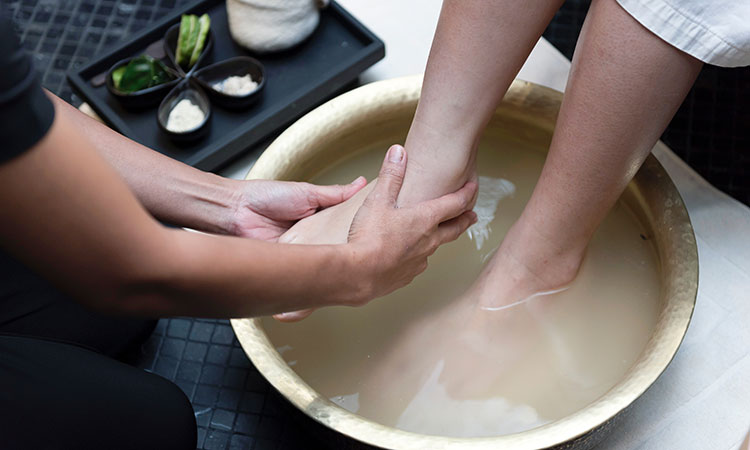
Skilled touch and water treatments are among the most ancient and revered of all healing modalities. People the world over use hydrotherapy and massage together. They use the great Roman baths, Russian saunas, and Indian Ayurvedic steams. They also use Turkish baths, sweat lodges of the Americas, and Japanese hot springs.
Injury, pain, and nervous tension have long inspired healers. They relieve suffering with a caring touch and many treatments using water.
Hydrotherapy Benefits for Massage Practitioners and Clients
Are you a massage therapy student or practitioner? You may wonder how adding hydrotherapy to your massage practice could help your clients. Here are some important benefits:
- Hydrotherapy is relaxing and stress-reducing.
- Hydrotherapy relieves pain and discomfort. It also boosts the flow of blood and lymph. It makes connective tissue easier to stretch. It soothes many aches, pains, injuries, and muscle problems.
- If your clients are uncomfortably hot or cold, you can use hydrotherapy treatments to make them more comfortable during a session.
- Hydrotherapy is an excellent adjunct to any kind of bodywork done for rehabilitation. Cold treatments, such as local baths, ice packs, and ice massage, boost circulation and cut spasms and pain. Heat treatments soften scar tissue and make muscle tissues easier to stretch.
- Hydrotherapy treatments provide different types of skin stimulation. Examples include the “body-hugging” feeling of being surrounded by water. Also, the range of thermal sensations from hot to cold. And, the scratchy feeling of a salt glow, dry brush, or cold mitten friction.
- Hot applications reduce stress on your hard working hands. They replace the initial massage strokes. These are needed to warm tissues, relax superficial muscles, and increase local blood flow.
- Fine-tuning your treatments for each client is possible. Do this by combining the best massage techniques and water treatments.
- Many treatments are performed by clients at home to help them make faster progress between sessions.
Historical Use of Hydrotherapy in Ancient Cultures
Water is plentiful, easy to obtain, and generally safe. So, water treatment is often the first remedy tried for new health problems. Thermal and mineral waters have been popular for thousands of years. They combine warmth and cleansing. Plus, they let you float free from gravity. This mix has been almost irresistible.
The waters of Baden-Baden, Germany, have been used for over 8,000 years, and in Bath, England, 10,000 years. Hot air baths were popular too. As early as the eighth century BC, Irish sweat houses made of sod and stone were used for rheumatism. In the Americas, sweat lodges were for an important religious and physical ritual.
Partial-body hydrotherapy treatments appear in the oldest medical traditions. Water was used to warm or cool the body and to carry herbs and minerals. It was used in baths, compresses, plasters, and other preparations. In medieval Spain, for example, a patient with gout might be treated with an herbal foot soak. They would also get a hot poultice to draw out inflammation. Finally, they would have a cold foot soak with mineral salts to relieve pain.
The Spiritual and Religious Importance of Water in Healing
Many primitive peoples worshiped water deities who possessed the awesome power of nature. Religious leaders were also physical healers. They did water rituals like baptisms, foot washing, pre-sacred event baths, and washing the dead for the afterlife.
In the Bible, baths were described as being used for skin diseases, gonorrhea, leprosy, and other problems. The temple of Dendera in Egypt housed a large hydrotherapy center with stone tanks. The sick bathed there to be cured by the goddess Hathor. In the Greco-Roman tradition, people made pilgrimages to springs. They went to ask for help from a healing deity, such as Asclepius, the Greek god of medicine, or Minerva, the Roman goddess.
Some gods oversaw specific ailments or body parts. For example, at one Roman temple, the goddess Nona looked after foot and hand disorders. Visitors to her spring hoped to find relief from problems. These include fallen arches, torn ligaments, ulcers, arthritis, and clubfoot.
Modern Hydrotherapy Techniques for Massage Therapists
In the heyday of hydropathy (the treatment of illness with water), water treatments and massage flourished. Now, in modern times, massage and water treatments may not be part of mainstream medicine. But, the public still demands them. Health clubs have steam baths, saunas, and massage. They have been popular since they were first introduced. The warm water of natural hot springs has continued to attract both sick and healthy vacationers.
In Bath, England, a team of 50 massage therapists treats 1,000 tourists a day. The tourists come to experience water treatments and get massages. Sadly, unlike Europe, where spa regimens have always been considered legitimate therapies paid for by health insurance, fewer people in the U.S. take them seriously. Health insurance did not cover them.
The 1970s: The Rise of Hydrotherapy with the Human Potential Movement
People grew disenchanted with cold mainstream medicine. They were also interested in holistic health. These factors revived massage and hydrotherapy. Bodywork emerged as an independent therapy. It was performed by professional massage therapists. They practiced in many different places, from athletic clubs to private offices, hospitals, and hospices. Many innovative bodywork methods emerged, and spas of all kinds began to spring up.
This growth in spas has been especially marked in the United States since it did not already have a strong spa tradition. Spas became a “must-have” amenity at resorts and large hotels. They offered exotic and ever-changing bodywork and water treatments. The spas are in hospitals. They began offering massages for specific complaints. These include lymphedema, cancer, pregnancy, arthritis, and chronic pain.
They also created new hydrotherapy treatments. These include flotation therapy for chronic pain, products for local heat and cold, Watsu for relaxation, water exercise baths for tiny hospitalized preemies, and hyperthermia for depression.
These trends have helped return massage therapists to the historical link of water treatments and massage.
Today’s massage therapists can specialize in many types of massage. They work with clients with a wide variety of needs. They use water treatments to add to the massage. Such practitioners have powerful, versatile tools. It complements and enhances their touch expertise. They know about the effects and benefits of these treatments.
Step-by-Step Guide to a Sensory Stimulation Hydrotherapy Footbath
The footbath helps highly sensitive persons, like autistic children and frail elderly people. They can’t always tolerate a whole-body massage. It also helps those new to massage or who are uncomfortable disrobing, and many others. A paraffin dip may be added at the end of the treatment.
Equipment needed:
- Water thermometer
- Container for water
- 1.5-2 gallons ( 5.6-7.5L) of water
- Large towel to go under the footbath
- Small towel for drying the feet
- Additional equipment, instructions for these are below:
- Two extra washcloths
- 1 cup (250 ml) of Epsom salts
- Container of liquid soap
- A soft brush or bath pouf
- Textured massage tools or small handheld massagers
- Pitcher of clean warm water
- Massage lotion or oil
- Pillow for the therapist to sit on while facing the client.
- Optional: river stones on the bottom of the container.
Tips:
If the client is lying on the table, add anti-slip fabric (used to keep rugs from sliding) under the tub, and launder that as well. Regarding the container for water: A large, rectangular container, like a plastic dishpan, gives space for both feet without crowding them. It also has enough room for water to cover the feet up to the top of the ankles. Do not use foot baths with heating elements, as burns have occurred. Foot spas with jets are difficult and time-consuming to disinfect, so they are also not recommended.
Steps:
- Lay out additional equipment on a tray covered with a clean towel
- Put the container of warm water on the towel and rest the client’s feet in the container. Begin by putting little Epsom salts in your palm, moistening them slightly, and performing a salt glow on the lower legs and feet.
- Put the feet back in the water. Use the brush or bath pouf and soap to lather up. Then, massage the legs and feet in the lather.
- Rinse the Epsom salts off with half of the water from the pitcher.
- Use washable massage tools or a handheld massager to massage the client’s lower legs and feet. (Handheld massagers can be used if the client’s foot and leg are out of the water and covered with a thin towel.)
- Use massage lotion to perform hands-on massage of the lower legs and feet.
- Rinse each limb off with clean water, towel dry briskly with a washcloth, put the client’s socks on, and finish with tapotement.
Are you a massage therapist looking to expand your practice and offer more to your clients? Discover the transformative benefits of integrating hydrotherapy into your massage services. With Massage Magazine Insurance Plus, you can feel confident knowing that hydrotherapy is included among over 500 modalities covered by our comprehensive insurance policies.
Boost your practice, attract new clients, and provide even greater healing benefits with the addition of hydrotherapy. Don’t miss out on this opportunity to elevate your services. Purchase an insurance policy with us today and start offering hydrotherapy with peace of mind.
Get covered now and take your practice to the next level!
About the Author
This article was excerpted from “Hydrotherapy for Bodyworkers, Second Edition.” Copyright © Handspring Publishing 2020; reproduced with permission. MaryBetts Sinclair has been a massage therapist and teacher since 1975. She is interested in scientific research related to bodywork and other natural healing modalities; she believes massage therapists can combine a knowledge of hard-headed science with intuition and heartfelt compassion. She wrote “Hydrotherapy for Bodyworkers, Second Edition” for Handspring Publishing.
Last Updated on June 18, 2025 by MASSAGE Magazine