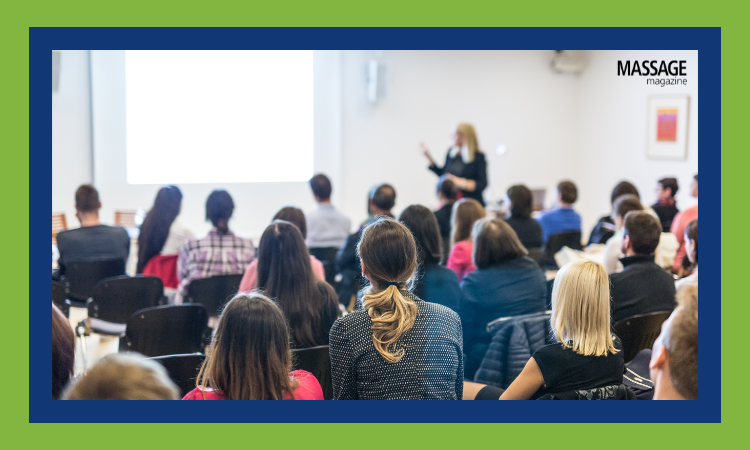
Workshops and small community events are a powerful, low-cost way for massage therapists to build visibility and trust. By teaching simple, engaging topics, such as couples massage or self-care techniques, you give people a chance to experience your expertise firsthand. Partnering with local venues, promoting authentically, and making booking easy at the event helps convert attendees into clients. Consistent follow-up then turns these events into long-term growth and ongoing referrals.
Key Takeaways
- Small, hands-on workshops help people experience your personality and skill, making them more likely to become clients.
- Choose simple, enjoyable topics that align with your strengths and require minimal equipment.
- Partnering with local businesses or community venues makes hosting easier and expands your reach.
- Keep marketing simple. invite current clients, post locally, and use light social media promotion.
- Make booking easy during the event and follow up afterward to turn interest into long-term client relationships.
When I was 19 years old, newly graduated, and unsure of how to build a steady clientele, I did something that changed the trajectory of my massage career: I taught couples massage classes at the local YMCA.
I wasn’t a marketing expert. I didn’t have a fancy website. I had access to some yoga mats, a large open room, and enough courage to propose the idea to the director of the YMCA. He liked the idea immediately and we agreed to split the profits per couple, and within a few weeks, I was teaching my first class.
Here’s what surprised me: it wasn’t just a fun class—it was a client-building strategy. I discovered that in nearly every couple, there was one person who really wanted to receive massage and had convinced their partner to attend. That eager person? They usually became my client and referred others to me.
Without meaning to, I had tapped into a visibility method that worked: teaching a mini class that felt personal, offered value, and invited others to get to know me and my touch.
Now, decades later, I still recommend this approach to massage therapists looking for opportunities within their community to grow their practice. You don’t have to spend a fortune on ads or have a fancy set-up for teaching. Hosting small, meaningful workshops or classes can create real buzz in your community—and bring in the right kind of people.
Here’s how to get started.
Why Community Events Work (Even Now)
In a world saturated with online content, in-person experiences still matter. Workshops give potential clients a chance to see you and hear you – but most of all, they get to experience who you are and build trust with you before ever getting on your table. When people learn something useful from you—even in 30 minutes—they begin to associate you with expertise, care, and professionalism.
But more than that, events let you show up as a real person, not just another “massage therapist.” People remember experiences. They remember how you made them feel. And that’s powerful visibility.
Step 1: Choose a Workshop That Feels Like You
You don’t have to teach anatomy or trigger point therapy. Choose a topic that feels light, easy, and enjoyable for both you and your attendees. Here are a few workshop ideas that can be done with little to no equipment:
Couples Massage 101: Teach safe, simple neck and shoulder techniques. Keep it playful and connection-focused.
Desk Job Survival Kit: Offer stretches and self-massage for people who sit all day.
Foot Care & Relaxation: Show people how to reduce foot fatigue using balls, oils, and hand techniques.
Better Sleep Through Bodywork: Share a few massage and breathing techniques to promote rest and relaxation.
Don’t overcomplicate it. Remember: your goal is to connect, not to impress.
Step 2: Find a Partner or Venue
Community centers, yoga studios, fitness clubs, chiropractors, or even small retail shops may be open to co-hosting an event with you, especially if they can also benefit from the exposure or split revenue.
When I partnered with the YMCA, they handled the promotion and provided the space and mats. We kept it affordable, which made it accessible and welcoming. You can structure your event in one of three ways:
- Split revenue with the venue
- Charge a flat fee per attendee
- Offer it for free and focus on bookings or list-building
Know before you teach what your intention is. Are you using this as a paid offering, a lead generator, or both? Be clear with the venue or partner, and make sure that the place you are combining your skills with is worth your time as well.
Step 3: Market It Simply and Authentically
You don’t need a big following or paid ads to fill a small workshop. Use these simple, low-pressure strategies instead:
Talk to your current clients. Personally invite them to attend or refer a friend. Offer a small thank-you (like an aromatherapy add-on) if they bring someone along.
Print a simple flyer. Post it in coffee shops, gyms, libraries, grocery store boards, and other local spots. Keep the design clean with a QR code or link to register. Google Forms make excellent signup sheets.
Partner with another business. Team up with a chiropractor, yoga teacher, or doula who can help promote your event or even co-host with you for added value.
Post once or twice on social media. A single photo of your setup or a short video of you teaching can go a long way. Keep the captions friendly and clear -include that sign-up form link!
Use natural urgency. Phrases like “Only 4 spots left” or “Limited to 10 couples” help people take action without feeling pressured.
Keep your mindset focused on connection. You’re not selling—you’re inviting people into a helpful, positive experience.
Step 4: Make Booking Easy at the Event
Even if people love your workshop, they often won’t take action later—so make it simple for them to book with you while they’re still excited:
- Bring a clipboard or sign-up sheet with open appointment slots clearly listed. This gives them a tangible way to commit on the spot and avoids the “I’ll think about it” delay.
- Offer a small bonus for anyone who books at the event. This could be a free aromatherapy add-on or a mini hot stone upgrade if they book today.
- Display a QR code or booking link in a visible spot so attendees can scan and schedule right from their phones, especially helpful for those who prefer not to commit verbally in the moment.
- Have business cards or take-home info available for anyone who isn’t ready to book but wants to stay in touch. Include a brief description of your most popular service and how to schedule.
- Be approachable and clear when offering next steps. No need for pressure, just let them know you’re available and excited to work with them if they’re ready.
Try this easy script:
“If you found today helpful and want to explore this deeper in a full session, I’d love to support you. I have a few openings this week—feel free to grab a time before you leave or scan the code if you prefer to book later tonight.”
Creating a relaxed, welcoming environment makes it easier for people to say yes—especially when they already trust you from the event experience.
Step 5: Follow Up and Build Long-Term Buzz
The workshop might be over, but the real momentum begins after people walk out the door. Consistent, thoughtful follow-up is what turns a one-time event into long-term growth.
- Send a thank-you email within 24–48 hours. Keep it personal and show appreciation to them for being part of your class or presentation. Include one helpful tip or reminder from the event and your booking link for a session.
- Ask for a short testimonial. Reach out individually or include a sentence in your thank-you email like, “If you enjoyed the class, I’d love a quick sentence or two about your experience—I may share it with future workshop attendees.” Use these on flyers, your website, or your next event promotion.
- Post a photo on social media or your website. Share a photo and a brief overview of how the class went to let others know what they missed. This builds anticipation for the next one.
- Personally follow up with anyone who expressed interest but didn’t book. A short message like, “It was great to meet you! If you have any questions or want help picking the right session, I’m happy to help,” can make someone feel seen and supported. Sometimes, all they need is the invitation from you to book.
Each event adds to your reputation as “the massage therapist who teaches great stuff and really knows her stuff.” That’s the kind of buzz that builds naturally—and keeps clients coming back for more.
Common Mistakes to Avoid
Even simple workshops can flop if you’re not intentional. These common missteps can sap your energy or limit the impact of your efforts—so it’s good to catch them early:
- Trying to teach too much. It’s tempting to cram in all your knowledge, but your attendees will absorb more if you keep the workshop focused on one clear topic. Aim for 30–60 minutes, with space for interaction and questions.
- Forgetting the booking invitation. You might think, “They’ll look me up if they’re interested,” but most people won’t. Life gets busy. Make the invitation clear, direct, and easy to act on while they’re still in that inspired state.
- Skipping follow-up. A workshop without follow-up is a lost opportunity. Don’t lose the connection you worked so hard to build! Send a thank-you, check in, or invite them to the next step. This is where real business growth happens.
- Doing it alone when you don’t have to. You don’t have to be a one-person show. Partnering with other local businesses—like yoga studios, wellness coaches, or gyms—adds value, doubles your audience reach, and gives you moral support during planning. (It also opens the door for more opportunities because you stepped out of your comfort zone and got to know other professionals.)
- Not preparing for questions or tech needs. And this one – I have made this mistake myself! Make sure you’ve tested anything digital you plan to use (like a QR code or booking system) and be ready for common questions about services or pricing.
Make sure to prepare for the event and be ready before the day of the event comes. Cramming everything into the last minute does not make your business – or you- look credible.
Workshops Are Connection, Not Performance
You don’t have to be a teacher, a performer, or a salesperson to run a great event. You just have to be yourself! Someone willing to share something helpful, in a setting where people can feel your warmth and presence.
Teaching those YMCA classes taught me more about people than massage school ever did. I saw firsthand how a short, hands-on experience could turn into loyal clients, word-of-mouth referrals, and community trust. I didn’t know it then, but I was building a business identity without even trying.
If you’ve been hiding behind your massage table, unsure of how to stand out, consider stepping out into your community with a class, workshop, or event. You never know who you’ll meet or how far your reach can go when people experience you in person.
About the Author
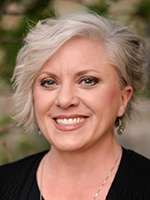
Amy Bradley Radford, LMT, BCTMB is a massage therapist, educator, and business mentor with over 30 years of experience in the bodywork industry. She is the founder of PPS Seminars, where she helps massage professionals build thriving practices through advanced training, clinical insight, and value-based business strategy. Amy is passionate about empowering therapists to create sustainable, fulfilling careers without burnout.
Latest Posts
- What 65,000 Massage Appointments Reveal About Massage Marketing

- How Massage Clients Find You Now: Local Search in the AI Age

- Marketing Massage Therapy: Showing Personality While Staying Professional
- Effectively Grow Your Massage Practice with Community Events