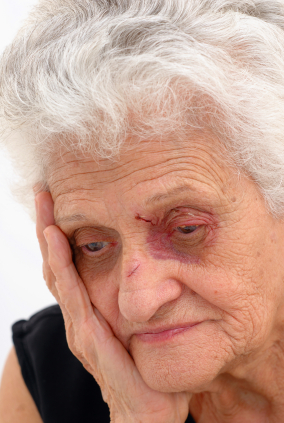
ELDER ABUSE AND NEGLECT
Course Description
Older adults today are vibrant, independent, living longer, and in better health than their ancestors. However, as this growing population increases, so does the issue of caring for elderly individuals. Caregivers must often cope with stressful economic and personal burdens when caring for the elderly who pay the price for this stress and may be abused, exploited, or neglected.
Purpose/GoalThe outcome of this course is for the learner to describe the causes and types of elder abuse; professional responsibilities related to reporting, documenting, and intervening in cases of suspected abuse; and action steps to prevent elder abuse.
Course Objectives – Upon completion you will be able to do the following:
- Describe the prevalence of elder abuse in the United States.
- Define elder abuse.
- Describe the three categories of elder abuse.
- Describe the six types of elder abuse, including the signs and symptoms of each type.
- State the health care provider’s responsibility for assessing, documenting, and reporting suspected cases of elder abuse.
- State the professional and legal issues relevant to the health care provider and elder abuse.
- Describe actions that can be taken to prevent elder abuse.
CONTACT HOURS–2.0